U-factor
U-factor describes the rate of heat transfer through the tested product. Lower values generally indicate lower heat transfer under the rating conditions.
Low-emissivity glass uses a thin coating to reduce radiant heat transfer. The useful question is not simply whether a window has Low‑E glass, but whether the complete glass package fits the room and exposure.
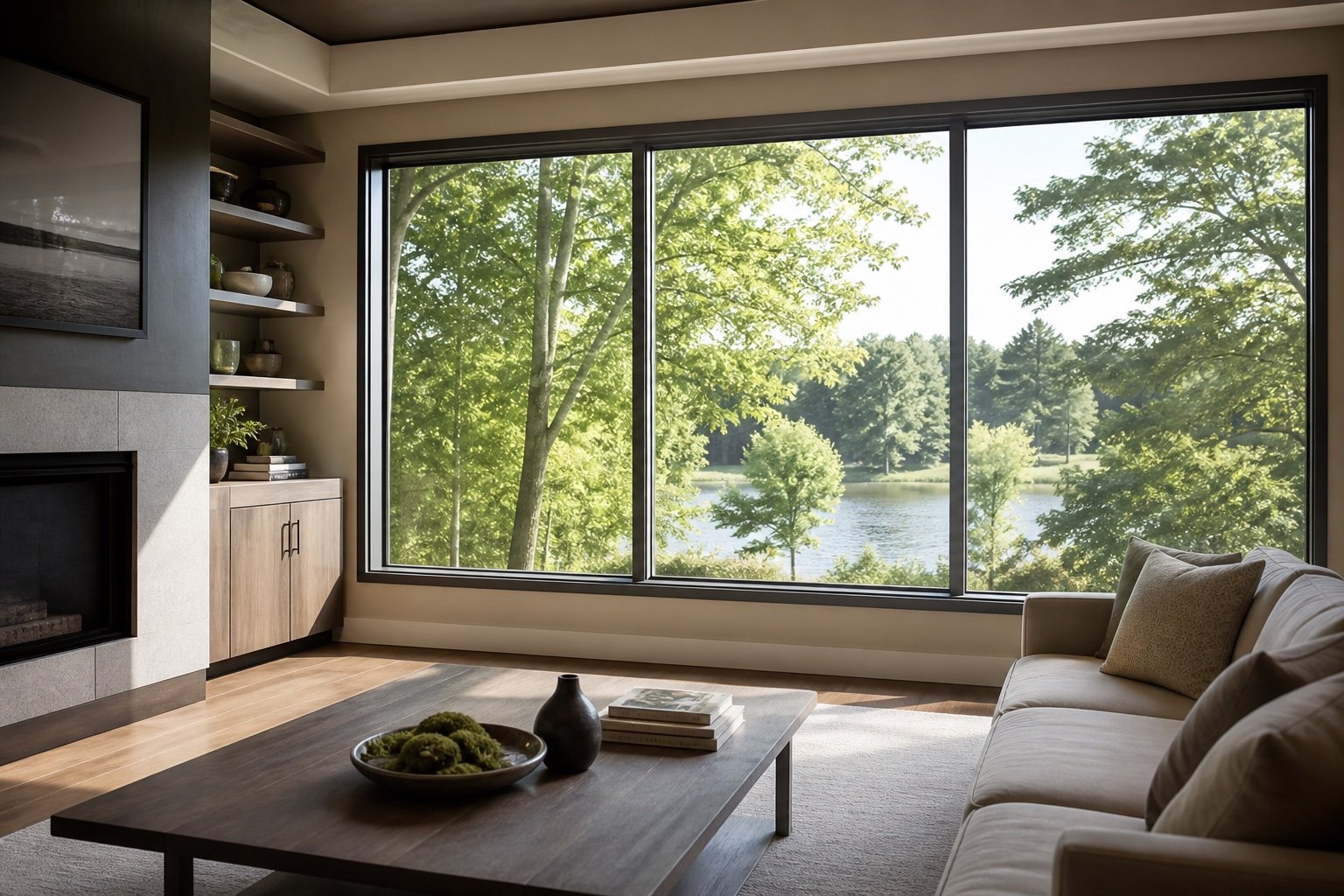
A Low‑E coating is a microscopically thin layer applied to a glass surface. It changes how the glass interacts with infrared energy while allowing useful visible light to pass through.
In a sealed insulated glass unit, the coating is normally protected on a surface facing the enclosed cavity. Its exact location and formulation depend on the glass package and performance goal.
Low‑E is not a window style or a complete efficiency rating. Frame construction, spacers, gas fill, number of panes, weatherstripping, operating design, size and installation all contribute to the result.
Compare published values for the actual window configuration. A single marketing label cannot describe every performance tradeoff.
U-factor describes the rate of heat transfer through the tested product. Lower values generally indicate lower heat transfer under the rating conditions.
SHGC describes how much incident solar heat passes through. A lower value reduces solar gain; that can help or hinder depending on the room, season and goal.
Visible transmittance indicates how much visible light passes through the product. Coatings and tints can change brightness and exterior appearance.
Orientation and use affect what feels comfortable. The goal is a coordinated specification, not necessarily identical glass everywhere.
Large areas of afternoon or summer sun can create glare and overheating. Discuss solar gain, shade and glass area together.
These rooms may receive less direct solar heat. Daylight, winter surface temperature and the overall window U-factor may carry more weight.
Comfort, privacy, appearance and sound concerns can be as important as solar control. Low‑E glass does not address every need by itself.
More glass changes the balance of light and heat. Pane size, safety requirements, frame divisions and ventilation should be planned at the same time.
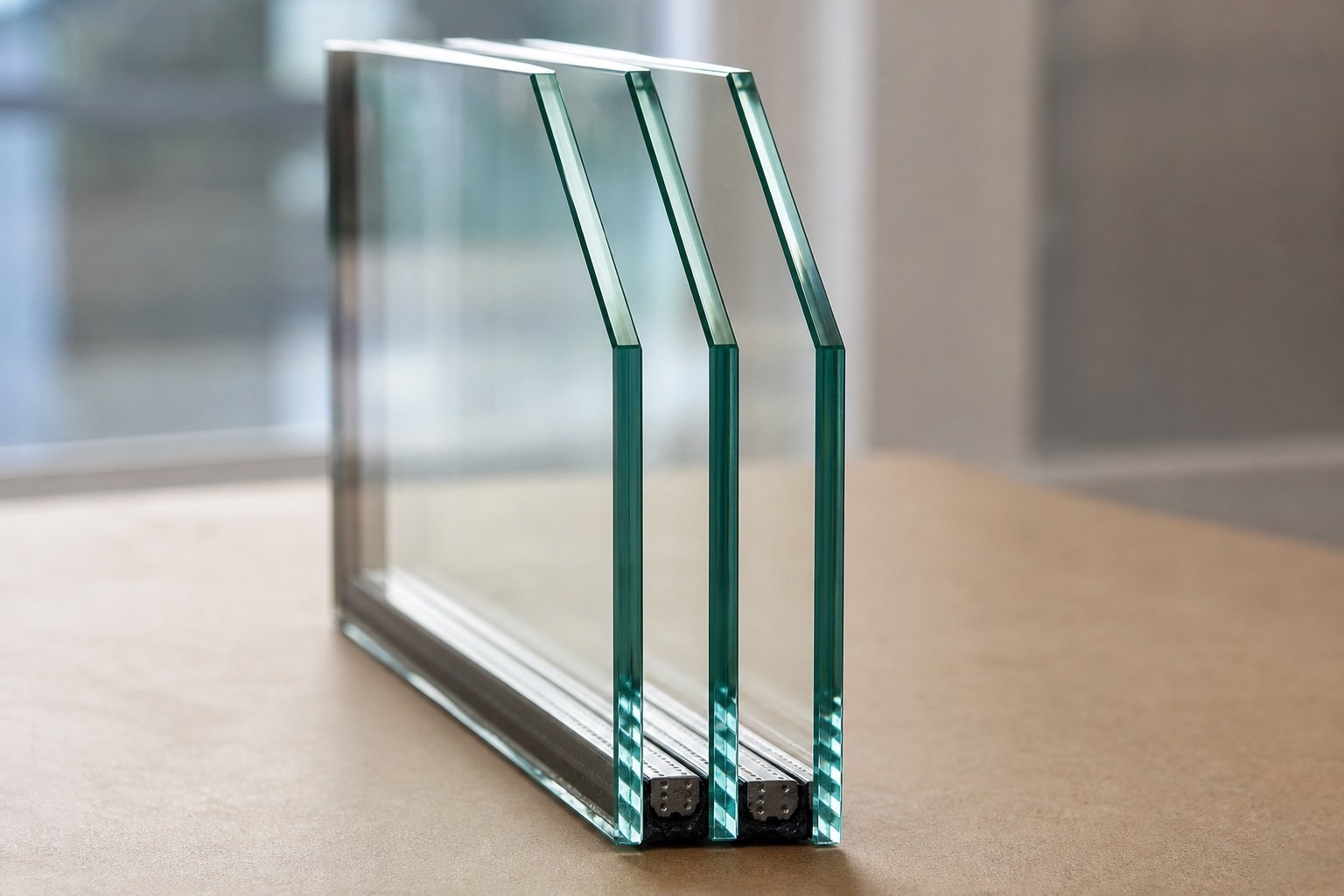
Low‑E glass is intended for performance, but it also affects how a window looks. Some coatings appear more neutral; others have a noticeable exterior or interior hue under certain light.
Different glass packages side by side can look mismatched, especially across a large elevation. If only one sealed unit or a few windows are being replaced, identify the existing glass as closely as possible and discuss realistic matching expectations.
Windows Hamilton considers the view from inside and the appearance from the street. Samples and published values can help, though reflections will still vary with sky, sun, landscaping and interior lighting.
Tell Windows Hamilton which rooms are uncomfortable, when direct sun reaches them and whether glare, fading, winter drafts or exterior appearance is the main concern. We can help frame the right questions and include the glass specification in the project conversation.
Discuss your windows: Call Windows Hamilton at 289-975-4020.
Windows Hamilton ©2026 — Windows, doors, installation and repair for Hamilton-area homes.
Choose residential or commercial, then provide the few details we need to understand the request.